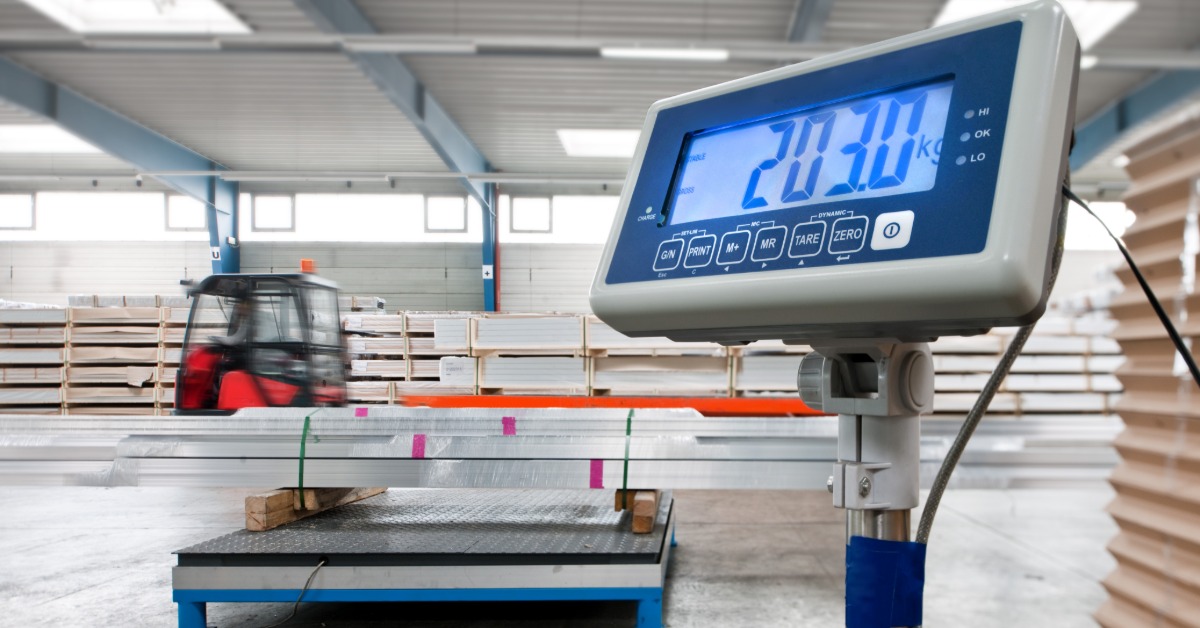
Industrial teams make dozens (or hundreds) of weighing decisions each week, and each decision depends on a single tool performing correctly. When a platform scale fits the work, it speeds up receiving, shipping, batching, and inventory control. When the scale doesn’t fit, small measurement and workflow issues stack up into delays, rework, and repair costs. The sections below explain several factors to consider when selecting a platform scale, so you can buy with confidence and avoid issues that may arise months later.
Capacity Planning
When you underestimate capacity, you push the scale beyond what the load cells and frame can comfortably handle. That strain can trigger overload events, unstable readings, and calibration drift, forcing repeat weighing. In busy facilities, that drift doesn’t just create “slightly off” numbers—it also causes pricing disputes, shipment errors, and wasted labor when teams recheck loads.
Start by listing the heaviest loads you weigh in normal operations, then add everything that rides with that load. Pallets, totes, packaging, straps, and handling equipment can add more weight than teams expect, especially when operators weigh with a pallet jack or cart. If loads vary by season or shift, plan for the heaviest common scenario rather than the average day.
Platform Size
When the platform deck is too small, loads overhang, and the scale no longer supports the load evenly. Uneven support shifts how the load applies force to the load cells, causing inconsistent readings from one weighing to the next. Operators often respond by repositioning the pallet and reweighing, which slows throughput and increases the risk of damage as forklifts jockey for alignment.
Measure the footprint of what you weigh most often: standard pallets, oversized crates, bins, drums, or carts. Then consider how your team loads the scale. If forklifts approach from multiple directions or operators handle long items, a larger deck can prevent awkward placement and reduce the need for repeat adjustments.
Accuracy Needs
Choosing the wrong readability creates problems fast because the scale can’t match how you make decisions. If readability runs too coarse, teams lose control during batching, verification, and detailed counts. On the other hand, if readability runs too fine, teams pay for sensitivity they won’t use, and they see more display movement from vibration and airflow.
A mismatch in readability leads to rework and disputes because operators lose trust in the numbers. Teams may reject a good product or accept a bad product when increments hide meaningful differences. Set the readability by testing two real loads in your process and selecting the smallest increment that still yields consistent, stable readings.
Environment Factors

Harsh conditions damage the wrong scale fast when moisture, dust, or chemicals reach connectors, junction boxes, and cable jackets. Temperature swings can also degrade readings by altering how components behave under load. Ignoring the environment often leads to flickering displays, drifting weights after washdowns, and inconsistent performance that operators can’t predict.
As you shop, ensure you match the scale to your space; moisture, dust, and chemicals can compromise connectors, seals, and cables, causing unstable readings. Additionally, washdown areas require sealed components, corrosion-resistant materials, and protected cabling to prevent water and cleaning agents from causing drift or intermittent faults.
Load Cell Safety
Forklifts, pallet jacks, and hard-set-downs on a platform scale impose shock forces that exceed the “static” weight shown on the screen. Repeated impacts stress the frame and load cell mounts, which can manifest as drifting readings, unstable measurements, and shorter calibration intervals.
When teams skip impact protection, they often face unexpected repairs and intermittent issues that feel random during production. Operators begin reweighing loads to confirm results, which slows every transaction.
A scale designed for industrial traffic prevents those problems by controlling shock and keeping components aligned under daily use. Overload stops and strong mounting hardware protect load cells when pallets land hard or off-center. Likewise, sealed junction boxes and protected cabling reduce failures from vibration, debris, and constant movement around the deck.
Installation Layout
Installation choices affect safety and speed because the layout determines how easily operators align loads and get stable readings. A tight lane forces extra repositioning, which slows the weighing process and increases the risk of clipped corners, damaged decks, or unstable pallets.
Vibration from conveyors, presses, or dock impacts can also cause the display to fluctuate, leading teams to question results and reweigh loads. Reweighs slow receiving and shipping, creating bottlenecks at staging.
Plan traffic flow by watching how forklifts and pallet jacks approach the scale, then design the area so operators can drive straight on and straight off without tight turns. Provide sufficient clearance for clean entry and exit to ensure loads land consistently and readings settle faster.
Data Features
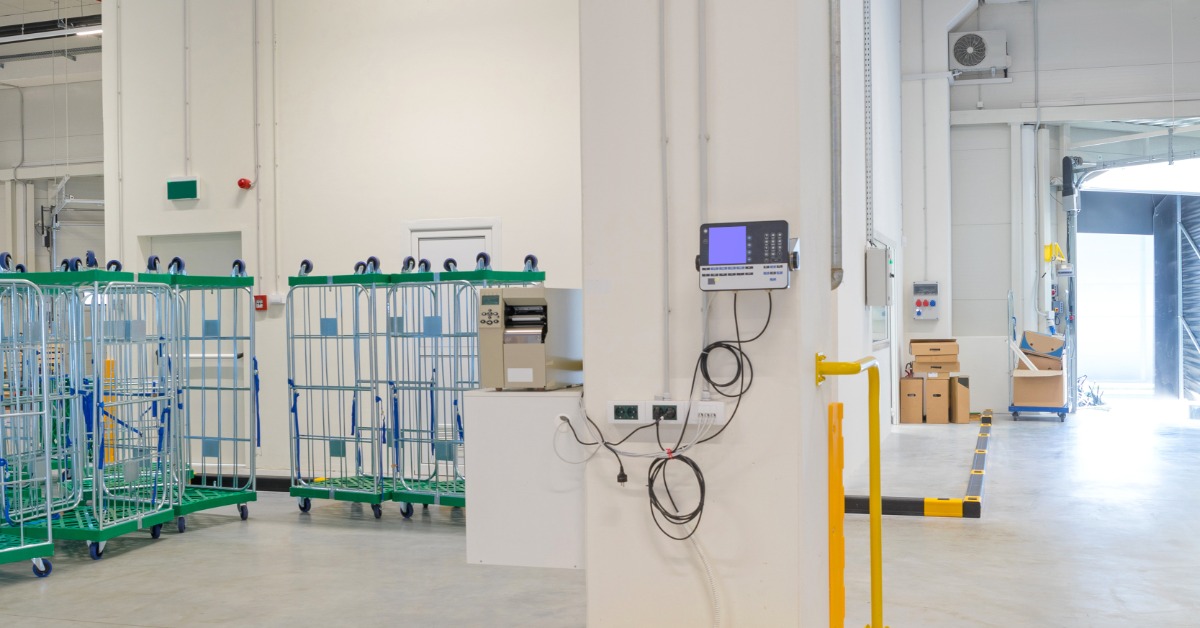
Your indicator and connectivity options decide what you can do with the weight after you capture it. When teams choose a basic indicator but need tracking, they end up writing weights on paper, retyping them into systems, and correcting mistakes later. That manual step introduces transcription errors, slows closeout tasks, and makes audits more difficult than they need to be.
Match features to a clear outcome, like traceability, faster shipping, or inventory accuracy. Consider the following factors when evaluating data features:
- Choose a display that operators can read clearly from a normal working distance
- Pick connectivity that matches your systems (USB, Ethernet, Wi-Fi, or serial options)
- Add printing or data export when you need transaction records without retyping
- Confirm the indicator supports daily tasks (tare, check weighing, counting, or accumulation)
Ownership Costs
Another thing to consider when selecting a platform scale is the total cost of ownership, not just initial fees. A low-cost scale can end up costing more over time due to frequent service, repeated calibration resets, or load cell replacement. Ignoring ownership costs also increases the chance you’ll buy a scale your workplace can’t easily support.
Total cost stays under control when you evaluate ownership from the start rather than focusing only on the purchase price. Check warranty terms, technician access, parts availability, and how quickly service teams can reach key components. Additionally, choose a platform scale that supports quick calibration and straightforward maintenance for daily weighing drives.
Shop for Quality Scales
Make the buying process easier by documenting your top loads, your largest footprint, and the conditions around the weighing area before you compare models. USA Measurements offers scales that fit your workflow and help you select the right option for your use, environment, and accuracy requirements. Choose a scale that matches your daily workflow to make weighing fast and more accurate.