Accurate weights drive better health, dosing, and herd planning. The correct scale reduces stress, accelerates processing, and yields cleaner data and fewer errors. A poor choice creates risk for animals and handlers while inflating your costs.
We’ll teach you to choose the right animal scale by providing practical checkpoints you can apply in the field. You will see what matters for species, capacity, accuracy, platform size, durability, and data flow. Use these guidelines to choose the right animal scale for your needs and buy with confidence.
Know Your Animal Types
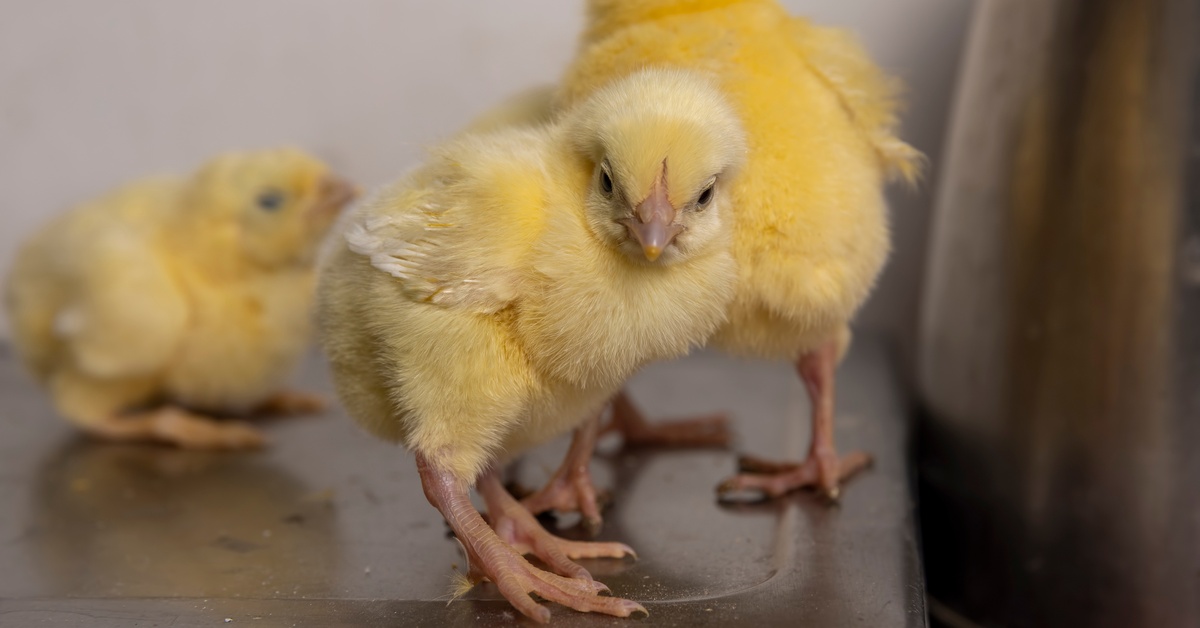
Evaluate the specific animals you handle and their typical weight range. For instance, if you have backyard poultry, rabbits, or small pets, you need high-readability, compact platforms. On the other hand, goats, sheep, and young pigs sit in a midrange where you need stability and low-profile decks. Mature cattle and larger hogs require heavy-duty frames and safe containment.
Behavior matters as much as size. Flighty animals benefit from motion filtering and hold functions that stabilize readings. One platform may serve multiple species, but specialized setups often improve safety and accuracy. Map your species list and decide which use cases take priority.
Choose the Right Capacity
Select a capacity that comfortably covers your heaviest animal with a margin. A 20–30 percent buffer helps you handle weight swings, wet coats, pregnant animals, and seasonal weight changes. To meet this need, a goat producer might choose a scale in the 500–800 lb. range. However, a cattle operation might need one with a range of 2,000 lb. or more, depending on breed and workflow.
Overloading puts extra strain on load cells and reduces a scale’s lifespan. When a scale operates near its maximum capacity every day, it tends to drift out of tolerance quickly. Choosing a scale with a comfortable weight margin protects the equipment and ensures consistently accurate readings.
Prioritize Accuracy
Accuracy and resolution directly affect dosing, growth tracking, and sale weights. For smaller animals, increments of 0.1–0.2 lb. enable precise medication and nutritional adjustments. Larger livestock typically perform well with 0.5–1.0 lb. increments, provided the display stabilizes quickly despite animal movement.
Check the manufacturer’s stated accuracy and testing protocols. Features such as motion-compensation algorithms and stable indicators help ensure accurate readings. If animals are sold by weight, confirm NTEP approval or other local verification requirements.
Decide on Platform Size
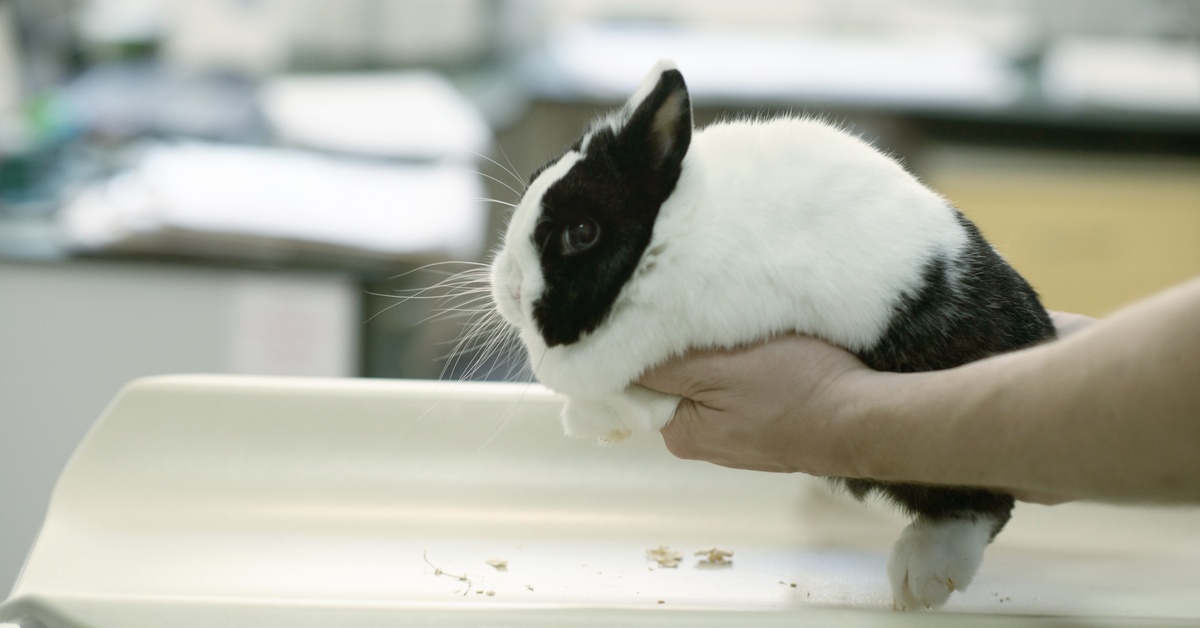
Match the deck size to your species and handling style. Animals should step onto the scale easily, stand with all four feet within the scale’s edges, and move off without slipping. A platform that runs too small triggers balking, restless steps, and unstable readings.
Platform size often depends on the species. Compact decks suit small animals, mid-length platforms work well for sheep and goats, and longer platforms are best for cattle. Low-profile options reduce stepping height, encouraging calm behavior on the deck.
Consider Durability and Environment
Construction dictates a scale’s lifespan, so you have to pay close attention to the materials used to make each scale.
- Stainless steel resists corrosion in washdown and humid barns.
- Coated steel handles tough pen environments and rough handling.
- Aluminum reduces weight for portable setups while sacrificing some ruggedness.
When evaluating scales, consider your climate and cleaning routine. If you hose down after every session, look for sealed indicators and IP-rated junction boxes. IP65 or higher ratings offer strong protection against dust and water. Smooth surfaces and removable mats speed up sanitation and make it safer, while durable cabling, load-cell protection, and reinforced frames ensure your scale withstands daily use.
Select Weighing Method
Choose a weighing method that matches your chute, alley, or exam room setup. Floor and platform scales are versatile and work well across multiple species. Many operations integrate a platform into an alley, allowing workers to weigh animals during their usual flow, while veterinary clinics often prefer low, stable platforms with easy-to-clean surfaces.
Moreover, crush or chute-mounted scales are ideal for larger animals or for handling at higher risk. Integrating the scale with a squeeze chute or alley reduces movement and speeds up readings. Hanging scales work best for poultry, rabbits, and other small animals, especially when space is limited. Selecting the right method for your setup helps protect handlers, reduce animal stress, and improve efficiency.
Look for User-Friendly Designs
Another tip for choosing the correct animal scale is to evaluate its user-friendliness, since this helps prevent weighing mistakes. Look for options with clear indicators, easy-to-read displays, and simple buttons. Essential functions include quick on/off, zero/tare, hold-for-motion, and stable weight capture.
When you buy a scale, you should also train staff on routine procedures, such as zeroing before each session and ensuring all feet are on the deck. A short checklist prevents drift and reweighs, which builds employee confidence and speeds the line.

Assess Mobility Needs
If your operation moves animals between pens, pastures, or event sites, mobility becomes crucial. Lighter frames, integrated wheels, and sturdy handles make transporting a scale easier and safer. Battery-powered models are instrumental in remote locations, at fairs, or for day-long clinics where access to electricity is limited. Some operations rotate a single platform between multiple pens, so quick setup, reliable connectors, and durable construction are essential to prevent wear and measurement errors.
Stationary scales provide maximum stability and long-term durability when installed in a fixed alley or exam room. Portable options sacrifice some stiffness for flexibility, so it’s essential to match your choice to how often you move the scale and how many locations you service.
Review Data Features
Modern animal scales often include indicators that automatically record, store, and transmit weight data, streamlining day-to-day operations. Connectivity options like Bluetooth, USB, or RS-232 ports make it easy to export data to herd management or veterinary software. Additionally, features such as automatic animal ID association and batch logging allow you to track growth, treatments, and breeding data without manual entry.
Cloud connectivity further supports multi-site operations and remote supervision, enabling teams to monitor herds from anywhere. Consistent, accurate data capture also simplifies audits and reporting. When evaluating scales, focus on features that align with your workflow. Prioritize tools you will actually use over flashy extras that add cost but little practical benefit.
Plan for Support and Calibration
Reliable support is essential to keep your operation running smoothly. When evaluating scales, consider warranty coverage, parts availability, and access to technical assistance by phone, chat, or on-site service.
Establish a calibration schedule based on the scale’s usage frequency. Heavy daily use may require quarterly checks with certified test weights, while lighter operations might be fine with semiannual or annual service. Maintain a log of zero checks, corner tests, and any adjustments to track performance over time. Consistent maintenance not only protects measurement accuracy but also extends a scale’s lifespan and ensures reliable operation for years to come.
Invest In Quality Scales
Choosing the right scale requires balancing capacity, accuracy, platform size, durability, and data flow. You improve safety, reduce stress, and get cleaner numbers when you match the equipment to your animals and environment.
USA Measurements offers a wide range of animal scales designed for accuracy, durability, and ease of use. Browse their selection to find the correct scale for your farm, clinic, or operation and simplify your weighing process today. A strong choice pays off in better dosing, fair sale weights, and faster handling.