Choosing the right scale affects more than just weight readings. It influences compliance, workflow efficiency, and the smoothness of your operation each day. Businesses that rely on accurate measurements cannot afford inconsistencies, especially when transactions depend on weight.
NTEP certification confirms that a scale meets national standards for legal-for-trade use. However, certification alone does not guarantee the best fit for your operation. Here are several things to consider when choosing an NTEP-certified scale to help guide a smarter decision.
Understanding Your Application
Start by defining how your team will use the scale throughout the day. A manufacturing plant may require continuous weighing with minimal downtime, while a farm operation may need only accurate readings at key points during the day. The frequency of use, type of materials, and speed of operation all influence which scale will perform best.
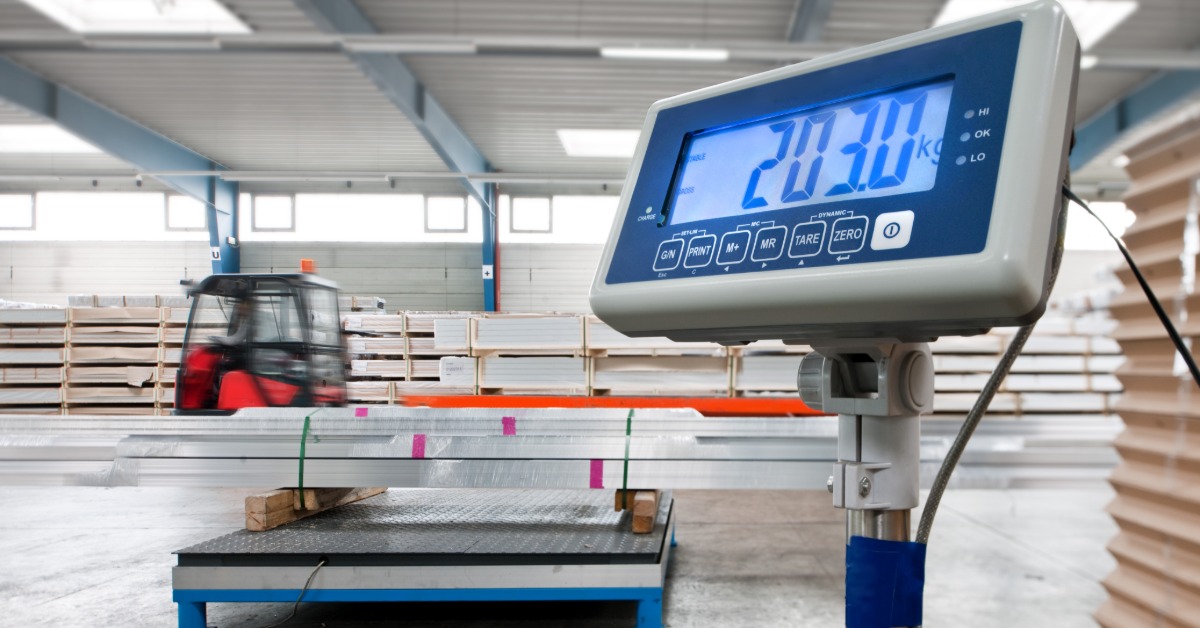
You should also think about how weighing fits into your overall workflow. If the scale creates a bottleneck, it slows down your entire process. For example, operations that rely on forklifts or pallet jacks need a scale that allows quick loading and unloading without extra steps. A poorly matched scale can force operators to adjust their processes, increasing labor time and the risk of errors.
It also helps to consider who will use the scale and how often. Simple controls and clear displays improve efficiency, especially in fast-paced environments.
Capacity and Platform Size
Capacity determines how much weight the scale can safely and accurately handle. Choosing a scale that operates near its limit strains components and increases the risk of inaccurate readings. A higher capacity provides a buffer that protects both the equipment and your results.
Platform size plays an equally important role. Loads must fit fully on the platform to maintain accuracy. If items hang off the edges, the scale cannot properly capture the full weight, leading to errors and potential compliance issues.
Accuracy and Compliance
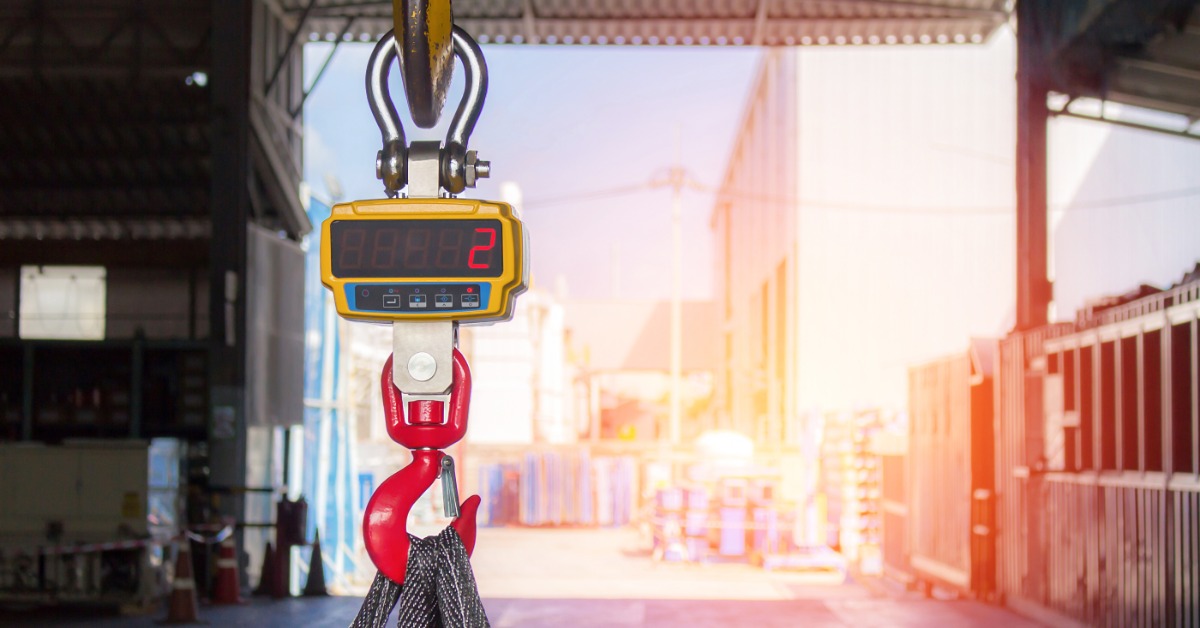
Different applications require varying levels of precision. Operations that handle high-value goods, bulk materials, or regulated products often need tighter tolerances to avoid losses or disputes. Even small inaccuracies can add up over time, especially in high-volume environments with frequent transactions.
You also need to stay consistent with local and state requirements. Inspectors expect scales to always perform within approved limits, not just during initial setup. This means your scale must hold accuracy under real working conditions, including heavy use and environmental stress.
Regular calibration plays a key role in maintaining compliance. You should follow a consistent schedule and document each adjustment to ensure the scale remains within legal limits. Proper training for operators also helps prevent misuse, which can impact accuracy and lead to failed inspections or costly penalties.
Environment and Working Conditions
You need to evaluate more than just indoor versus outdoor use. Temperature changes, moisture, dust, and debris all impact performance and accuracy. Outdoor setups often face rain, mud, and extreme temperatures, which can damage components if the setup lacks proper protection. Seasonal shifts can also affect calibration, especially in regions with wide temperature swings.
Heavy-traffic areas create additional stress. Forklifts, pallets, and constant loading cycles put pressure on the platform and internal components. A scale designed for these conditions will handle repeated use without breaking down or losing accuracy.
Durability and Build Quality
Strong construction ensures the scale can handle repeated use without losing accuracy. High-quality materials like reinforced steel platforms and protected load cells help maintain performance under heavy loads. Lower-quality systems may wear down faster, leading to inconsistent readings and more frequent repairs.
Protective features also play a key role. Sealed load cells, corrosion-resistant coatings, and reinforced frames help the scale perform reliably in demanding environments. These details reduce exposure to moisture and debris, which helps extend the life of the equipment.
Routine calibration and maintenance keep the scale accurate and compliant. Regular inspections, cleaning, and minor adjustments help prevent larger issues and keep your scale performing as expected without disrupting daily operations.
Calibration and Maintenance
Routine calibration keeps your scale accurate and compliant, but the process needs to fit into your daily workflow. If calibration requires long downtime or frequent third-party service, it can delay operations and disrupt productivity. Scales with accessible calibration points and clear procedures allow your team to make adjustments quickly and keep processes moving without unnecessary interruptions.
Maintenance also plays a direct role in long-term performance. Dirt buildup, moisture, and worn components can affect readings if your team does not address them regularly. A scale that allows easy cleaning, quick inspections, and simple part replacement helps prevent small issues from turning into costly repairs while keeping your operation running efficiently.
Integration and Data Needs
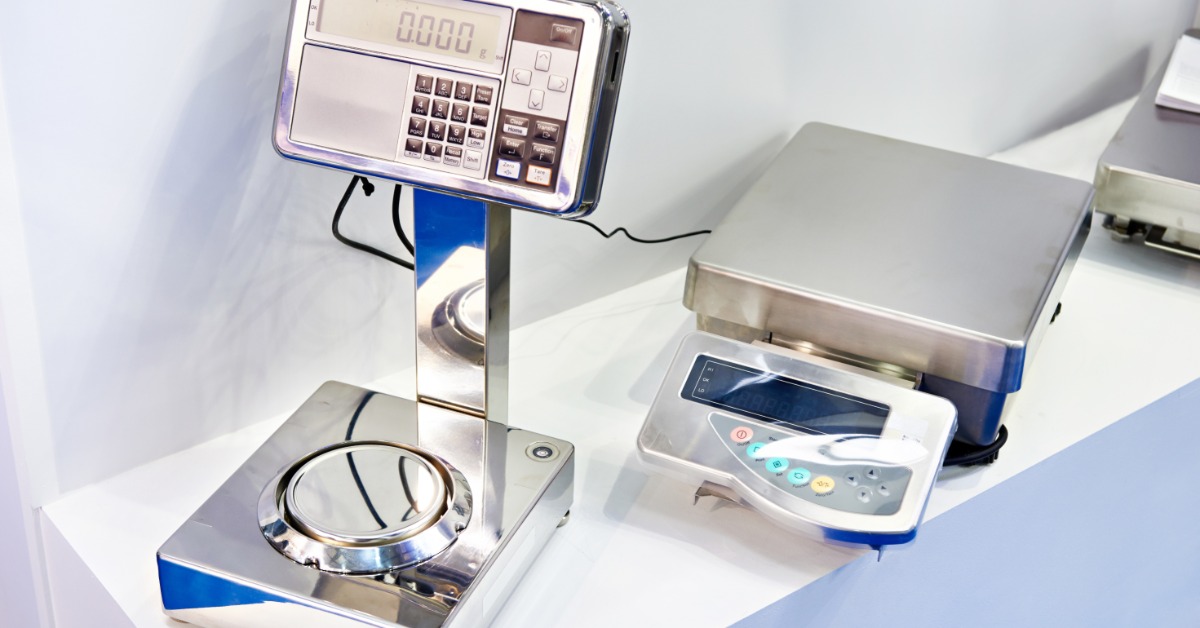
Many businesses rely on data to track inventory, shipments, and production output. A scale that connects to your existing systems helps streamline these processes.
You should evaluate whether you need features like digital displays, printing capabilities, or software integration. These tools improve efficiency and reduce manual entry errors, which leads to better overall accuracy in your records.
Installation Requirements
Installation can vary depending on the type of scale you choose, and those requirements can impact both cost and timeline. Larger systems often need site preparation such as a concrete foundation, proper leveling, or even drainage planning for outdoor setups. If these steps get overlooked, the scale may produce inconsistent readings or require reinstallation, which adds delays and expense.
You should also consider how the scale fits into your existing space and workflow. Tight layouts can make it difficult for forklifts or operators to load and unload safely, which slows down operations and increases the risk of damage. Planning for proper clearance, traffic flow, and accessibility helps ensure the scale supports daily use instead of creating obstacles.
Budget and Long-Term Value
You should also consider your budget when choosing an NTEP-certified scale. Think beyond the initial purchase price and focus on how the scale will perform over time. A lower-cost option may seem appealing upfront, but frequent repairs, recalibration issues, or early replacement can quickly increase overall costs. Equipment that struggles under daily demands often leads to downtime, which directly impacts productivity.
Instead, evaluate how the scale supports your operation long term. A well-built system with consistent accuracy reduces service interruptions and keeps your workflow steady. When you factor in reliability, lifespan, and maintenance requirements, you can make a more informed investment that supports both performance and cost control.
Buy Your Scales
Choosing the right scale requires careful planning and a clear understanding of your operation. USA Measurements provides reliable industrial floor scales that meet real-world demands across industries. If you are looking for dependable options, our team can help you find equipment that supports accuracy, compliance, and long-term performance in your facility.
Related scales: bench scales, floor scales with ramps and truck scales.