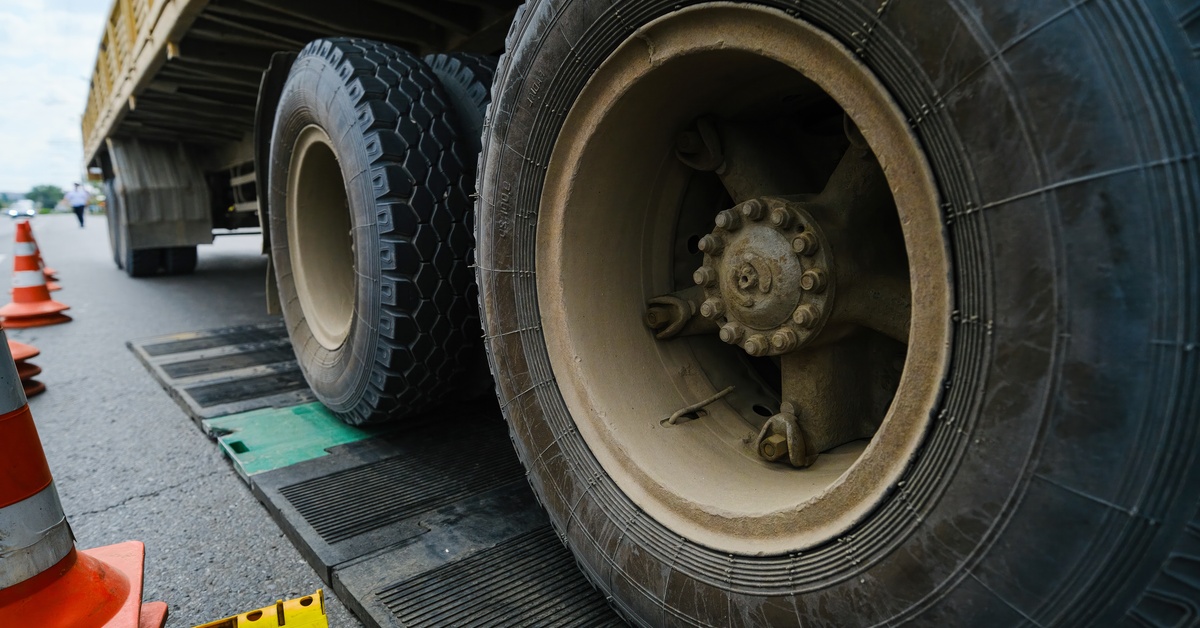
Truck axle scales play a critical role in keeping operations efficient, compliant, and accurate. When these systems work properly, they help prevent overloads, reduce vehicle wear, and support better decision-making across daily operations. Regular maintenance keeps even high-quality scales accurate and helps prevent issues that can disrupt daily operations. Below, we’ve explained some of the best ways to maintain your truck axle scales.
Start With Consistent Cleaning
Dirt and debris build up quickly in environments where trucks operate daily. Mud, gravel, and dust often accumulate around the platform and beneath the scale, which can interfere with readings and cause uneven weight distribution. Regular cleaning prevents that buildup from affecting accuracy and helps components function as intended.
Focus your cleaning efforts on the areas that directly impact performance. Debris around load cells can restrict movement and throw off readings, while buildup under the platform can create pressure points that affect weight distribution. Taking a few extra minutes to clear these areas helps maintain consistent accuracy and prevents avoidable measurement issues.
Inspect Equipment for Wear and Damage
Frequent use puts stress on axle scales, especially in high-traffic areas where trucks load and unload throughout the day. Over time, that stress can loosen hardware, shift components slightly out of alignment, or wear down connection points that support accurate readings. These changes often occur gradually, making them easy to miss until performance starts to slip.
Focus inspections on the areas most likely to impact accuracy. Check that the platform sits evenly, confirm that cables remain secure and undamaged, and look for any movement in components that should stay fixed. Paying attention to these details helps you correct small issues early and keeps your scale operating consistently under daily use.
Follow a Reliable Calibration Schedule
Accurate readings depend on proper calibration, but daily use can gradually shift how your scale measures weight. Repeated loading, environmental conditions, and minor component movement all contribute to small changes that add up over time. If left unchecked, those shifts can lead to inconsistent axle weights, affecting compliance and decision-making.
Base your calibration schedule on how your scale actually gets used. High-traffic operations or uneven loading conditions typically require more frequent checks to stay accurate. Using certified test weights or working with a professional service helps confirm that your readings match real-world loads and stay within required tolerances.
Protect the Scale From Moisture
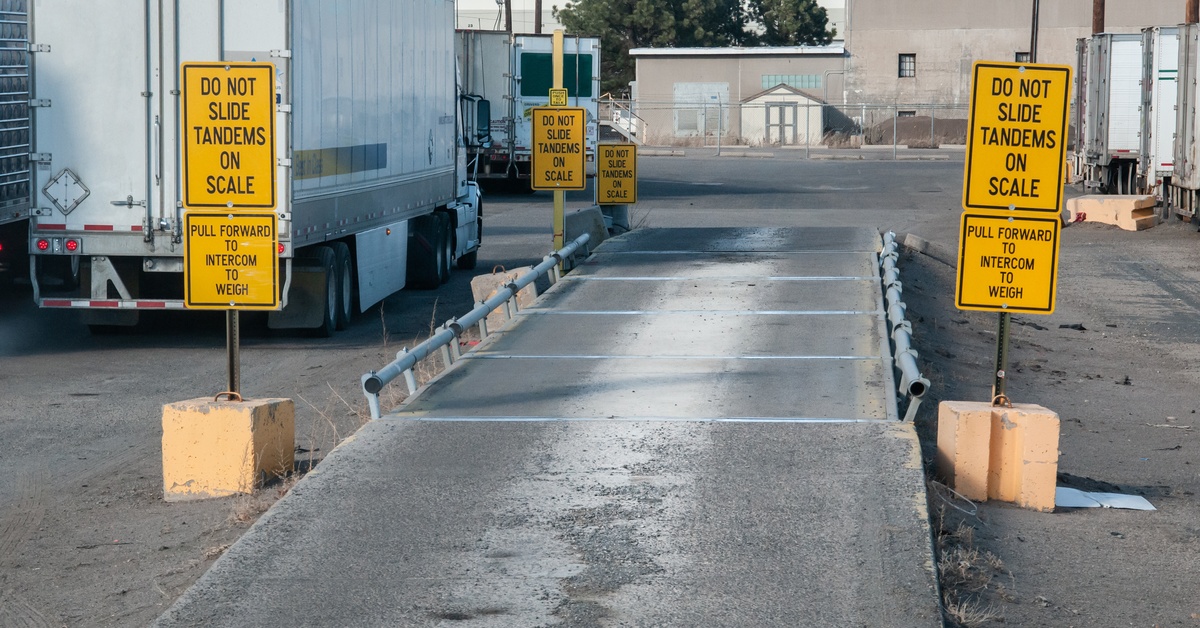
Moisture creates problems that build gradually but cause serious damage over time. Water exposure can damage internal electronics, corrode components, and interfere with load cell signals. Even small amounts of standing water near the scale can lead to long-term issues.
Proper drainage and thoughtful positioning help reduce moisture-related risks around your scale. Keeping the surrounding area dry and ensuring protective seals remain intact helps shield sensitive components from water exposure and long-term damage. This step plays a key role in maintaining reliable performance throughout changing weather conditions.
Pay Attention to Load Cell Performance
Load cells support the core measurement function of any axle scale, which makes their condition directly tied to overall accuracy. Over time, constant loading and environmental factors can cause slight shifts, loosening, or wear that affect how weight gets measured. These changes often show up as small inconsistencies before turning into more noticeable errors.
Irregular readings or patterns that do not align with expected weights usually point to underlying load cell issues. Keeping components secure and properly aligned helps maintain stable performance, while timely replacement of worn parts prevents gradual inaccuracies from developing into larger system problems.
Maintain a Stable Installation Surface
The surface beneath your scale influences how accurately it measures weight. Uneven or shifting ground creates inconsistencies that calibration alone cannot fix. Over time, even slight movement in the foundation can impact readings.
Regularly check the installation area for stability. If the surface shows signs of settling or shifting, correcting it quickly helps maintain accuracy. A stable, level base supports consistent performance and protects the scale’s structure.
Avoid Overloading the Scale
Every axle scale has a defined weight capacity, and consistent overloading places unnecessary strain on key components. Over time, that added stress can affect structural integrity and lead to gradual accuracy issues that are harder to correct later. Even occasional overloads can contribute to wear that impacts long-term performance.
Operations that stay within capacity limits tend to see more consistent readings and fewer mechanical issues over time. When weight limits are clearly understood and followed in daily use, the scale maintains its reliability and avoids the strain that leads to premature repairs or replacement.
Check Electrical Components Regularly
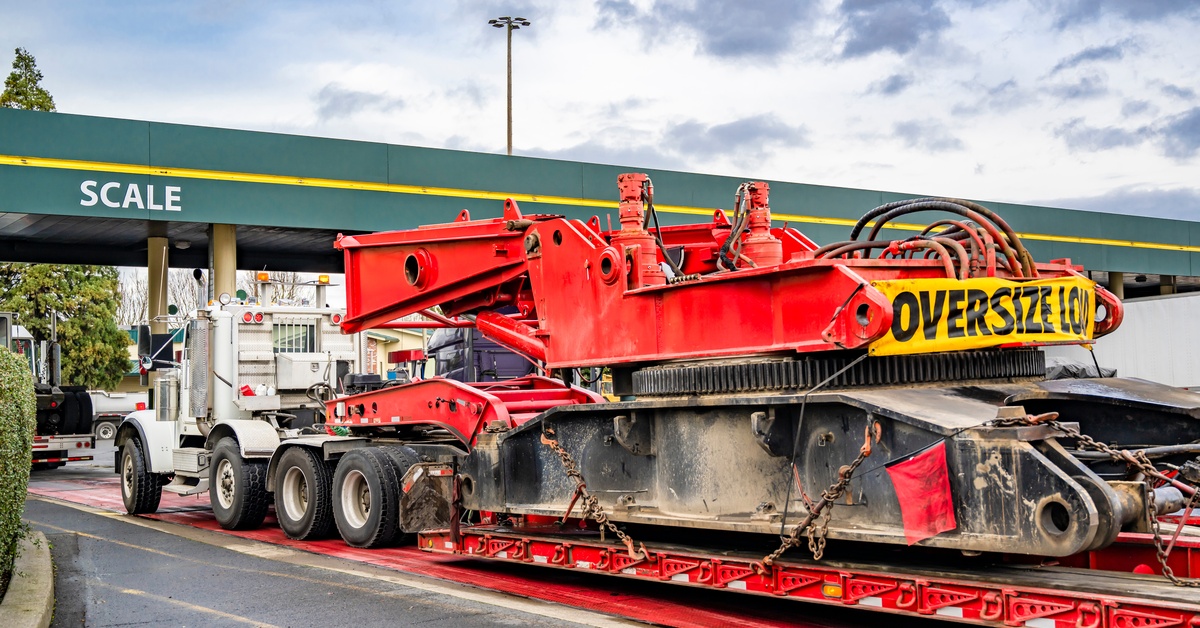
Electrical connections link every part of the weighing system, from load cells to the display, so any disruption can affect overall accuracy. Loose wiring, corrosion, or damaged cables often interfere with signal transmission, leading to inconsistent or unstable readings over time. These issues tend to develop gradually, making them easy to overlook until performance starts to decline.
Connection problems usually show up as intermittent readings or unexpected fluctuations during use. Keeping wiring secure and in good condition helps maintain steady communication across the system, while addressing damage early reduces the risk of larger disruptions that impact daily operations.
Build a Preventive Maintenance Routine
A structured maintenance plan keeps everything running smoothly and reduces the chance of unexpected issues. Instead of reacting to problems, preventative care focuses on addressing small concerns before they escalate. This approach saves time and resources over the long term.
A strong routine typically includes the following:
- Regular cleaning and debris removal
- Scheduled inspections of structural components
- Consistent calibration checks
- Monitoring of load cells and electrical systems
- Documentation of maintenance activity
Tracking maintenance helps identify patterns and ensures nothing gets overlooked, supporting long-term performance and reliability.
Train Operators for Proper Use
Training operators is one of the most important practices for maintaining your truck axle scales since it helps ensure long-term success. Operators who understand how to position vehicles, distribute weight, and use the scale correctly help prevent unnecessary wear. Training reduces mistakes that could impact accuracy or damage components.
Clear procedures and consistent habits make a measurable difference in how the scale performs over time. Proper positioning ensures the weight stays evenly distributed across the platform. Controlled movements also prevent sudden impacts that can stress components. When operators follow the same process each time, it reduces variability in readings and helps maintain long-term accuracy across daily use.
Choosing the Right Equipment Matters
Maintenance becomes more manageable when the equipment matches the demands of your environment. High-quality systems handle repeated use with less strain and tend to require fewer repairs over time. This becomes especially important when working with portable axle scales, where both mobility and durability directly affect long-term performance.
USA Measurements provides durable axle scales built for demanding environments across industries. Their equipment supports accurate weighing and long-term reliability when properly maintained. Durable construction and reliable components help reduce common issues while maintaining consistent accuracy throughout daily use.
Related scales: US-AX1230-80K wireless axle scale, US-AX730-80K axle scale and wheel weigher scales.