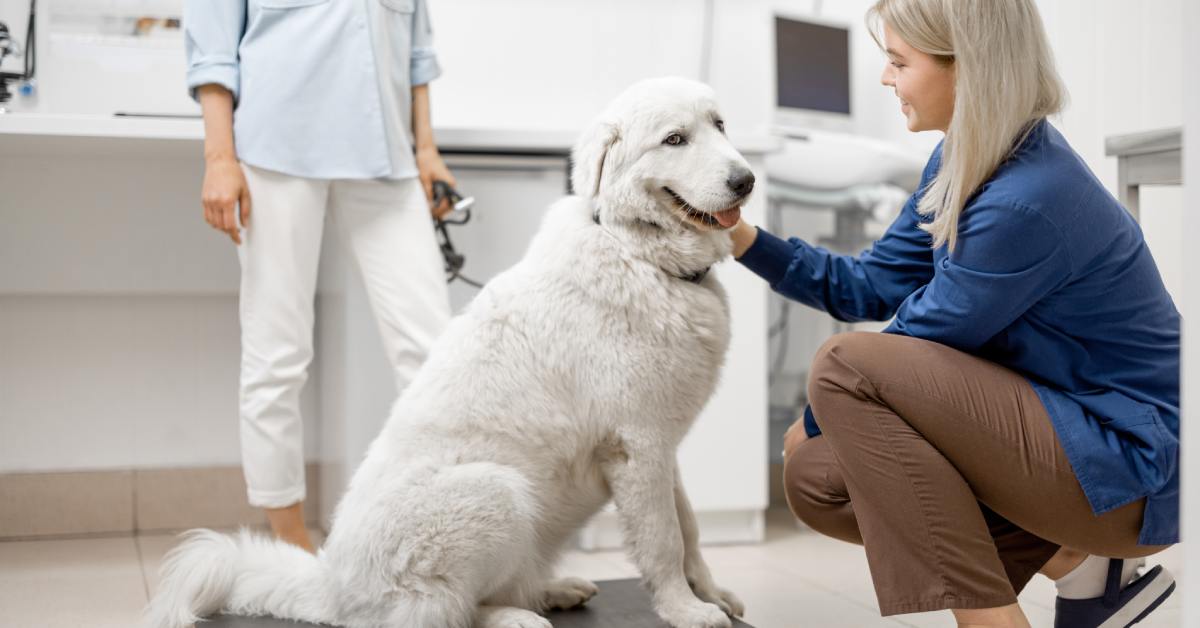
Animal weight plays an important role in farming, veterinary care, and livestock management. All animal experts rely on accurate weight measurements to monitor growth, determine feed portions, and calculate proper medication dosages. Consistent weighing also helps identify health issues early and track progress over time.
However, weighing animals presents challenges that standard weighing equipment does not address. Animals move, react to unfamiliar environments, and vary widely in size and behavior. The following guide covers everything you need to know about weighing animals.
Choosing the Right Type of Animal Scale
Different animals require different types of weighing equipment. Selecting the right scale improves stability, accuracy, and safety during weighing.
Farmers and animal caretakers often rely on livestock scales designed specifically for animals. These scales include large platforms, robust load cells, and designs that accommodate uneven movement during weighing.
On the other hand, smaller animals may require compact veterinary scales, while larger livestock need wide platforms that support the animal’s full stance. Choosing a scale built for the animal’s size and behavior helps prevent inaccurate readings and equipment strain.
Platform Size and Weight Capacity
The size of the scale platform directly affects how comfortably an animal can stand while being weighed. If the platform feels too small, animals may shift their weight, step partially off the surface, or struggle to balance. These movements can interfere with the scale’s ability to capture a stable reading.
During weighing sessions, animals should stand fully on the platform without crowding the edges so their weight gets evenly distributed across the scale. Platform size should also match the scale’s weight capacity. Each scale supports a specific maximum load, and selecting a capacity that exceeds the animal’s expected weight protects the equipment while ensuring consistent, reliable measurements.
Animal Movement and Weight Stability
Animals rarely stand completely still during weighing, and even small shifts in position can affect the reading. When an animal steps forward, leans to one side, or lifts a hoof, the weight distribution across the scale platform changes. These small movements cause the numbers on the indicator to fluctuate rather than settle on a single value, making it harder to obtain an accurate measurement.
Many modern animal scales address stability-related issues with motion-compensation technology. The indicator analyzes the load cells’ changing signals and calculates a stable average weight despite small movements. This feature allows operators to record reliable measurements even when animals adjust their stances.
Proper Animal Handling During Weighing
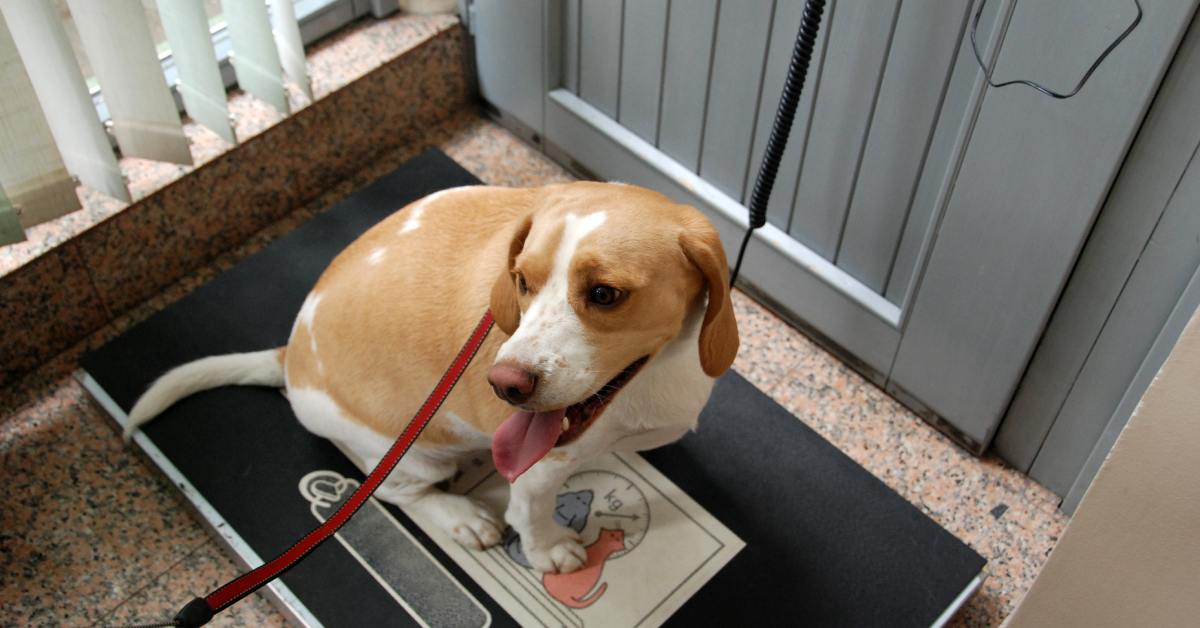
Calm handling improves both safety and accuracy during animal weighing. Animals react quickly to stress, loud noises, or sudden movement, which can make them reluctant to step onto a scale. When handlers rush the process or create a chaotic environment, animals may resist entering the weighing area or shift constantly once they stand on the platform.
Handlers should guide animals toward the scale slowly and confidently while maintaining a calm environment. Consistent routines often help animals become familiar with the weighing process, which reduces hesitation and unnecessary movement.
Pro Tip
Many facilities place scales along natural walking paths or inside livestock chutes so animals encounter the platform as part of their normal movement through the area. This approach keeps the process controlled and encourages animals to step onto the scale more willingly.
Scale Placement and Ground Conditions
The surface beneath the scale directly affects measurement accuracy. Uneven ground shifts the weight distribution across the platform, which can cause inconsistent or fluctuating readings. When the scale is unbalanced, the load cells cannot measure weight properly. Small tilts or gaps under the platform may seem minor, but they can quickly affect the reliability of each weighing.
Operators should install animal scales on solid, level surfaces such as concrete or reinforced flooring. A stable foundation keeps the scale balanced and prevents rocking when animals step onto the platform or shift their weight. Facilities should also position scales away from heavy machinery, conveyors, or other vibrating equipment, since vibration can interfere with load cell performance and produce unstable readings.
Tracking Animal Weight Over Time
Regular weight measurements provide valuable information about animal health and development. Recording weight data allows caretakers to monitor trends and make informed management decisions.
Weight tracking helps farmers and veterinarians identify changes that may signal health concerns or feeding adjustments.
Ways weight tracking helps livestock management include the following:
- Monitoring growth and development
- Adjusting feeding programs
- Identifying potential health issues
- Determining accurate medication dosages
- Evaluating herd performance over time
Consistent records provide clear insight into how animals respond to nutrition, care, and environmental conditions.
Safety Features That Support Animal Weighing
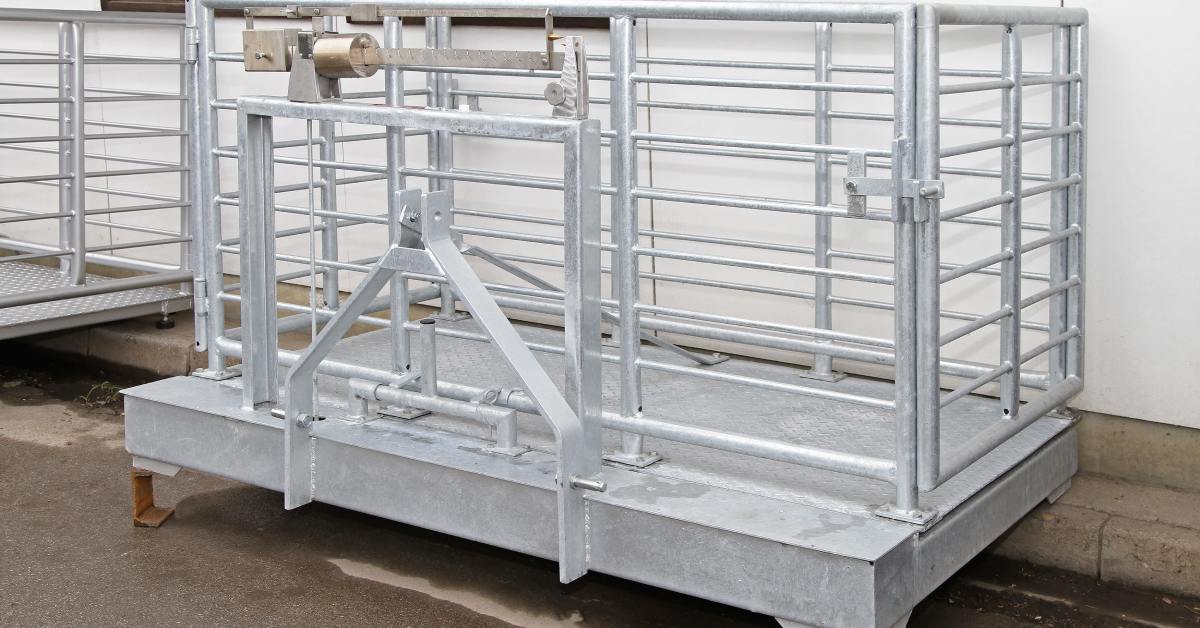
Another thing to know about weighing animals is how to do it safely. Animal scales include several design features that protect both animals and operators during weighing. These features improve stability and encourage animals to stand comfortably while handlers capture accurate measurements.
Below, we’ve detailed several features that often make scales safer.
Non-Slip Platforms
Non-slip platforms help animals maintain footing while standing on the scale. Textured steel or rubber surfaces provide better traction for hooves and paws, reducing slipping and helping animals stay calm during the weighing process. Stable footing allows animals to balance naturally, making it easier for the scale to capture a consistent reading.
Low-Profile Platforms
Low-profile platforms make it easier for animals to step onto the scale without hesitation. Animals often resist stepping onto raised surfaces, especially if the height feels unfamiliar or unstable. A lower platform creates a smoother transition from the ground to the scale, which encourages animals to walk onto the weighing surface more naturally.
Side Rails and Protective Frames
Many animal scales include protective side rails or cages that help keep animals centered on the platform. These structures prevent animals from stepping off the edge and reduce sudden shifts that could interfere with the reading. Strong frames and reinforced load cells support uneven weight distribution as animals move, adding another layer of safety and stability during the weighing process.
Shop for Scales
Accurate animal weighing supports healthy livestock management, proper veterinary care, and efficient farm operations. Reliable weight measurements help caretakers monitor growth, adjust feeding programs, and calculate correct medication dosages.
USA Measurements provides durable animal scales designed for agricultural and veterinary environments. Their range of animal-weighing solutions supports accurate measurements, robust construction, and dependable performance in daily livestock operations. Choosing the right equipment and following proper weighing practices helps ensure animals remain safe while caretakers capture accurate, consistent weight data.
Related scales: US-LS4320 “Vet Pro” animal scale, US-LS9326 “Green Giant” cattle scale and livestock scales.